A Recipe for Culinary Freedom

It seems we have reached the horizon. People are giving elimination diets a meaty right hook, fly-kicking orthorexic dietary approaches and suplexing ‘clean eating principles’. My ears rejoice listening to the rustle of ticks as people work their way up the nutritional pyramid. Alas, we cannot be ignorant – whilst it may appear we were in the clear and on the straight and narrow path to dietary enlightenment, lingering is the smell of another contender. This stench, a very distant relative to the initial group is prowling; waiting to get in the way of life optimisation.
Its possessiveness is clouding the mind and feeding the law of diminishing returns – sucking people into a pitiless void of wasted time, frustration, envy and disappointment. It might not seem like such a big issue on face value, but when efficiency can be found through the death of culinary fuckery – I’m all for it!
“I can’t cook! I don’t know what to cook?”…. Bullshit.
Delicious contents include…..
Tools for your sanity
– Single meal planning : Controlled meals
– Prepared without planning : Uncontrolled meals
– Food choices
Unlocking the Wizard within
– In the toolbag
– Satiety: In the hand of the consumer
A Recipe for Culinary Freedom
I’m going to assume we are on the same page here. Let’s face it, no single food makes you fat, no single food needs to be eliminated and once basic health needs have been met (think protein, essential fatty acids, micronutrients etc.) you can start listening to your body and fuel it accordingly with a relaxed, flexible and preferential approach.
“But it’s so hard to find food that fit what I need!”
Fear not! For if you continue to read, you will find this recipe is not a compendium of what meals have good macronutrient ratios, nor is it directions on how to cook the perfect steak – it is a recipe for Culinary Freedom at the most elementary level….
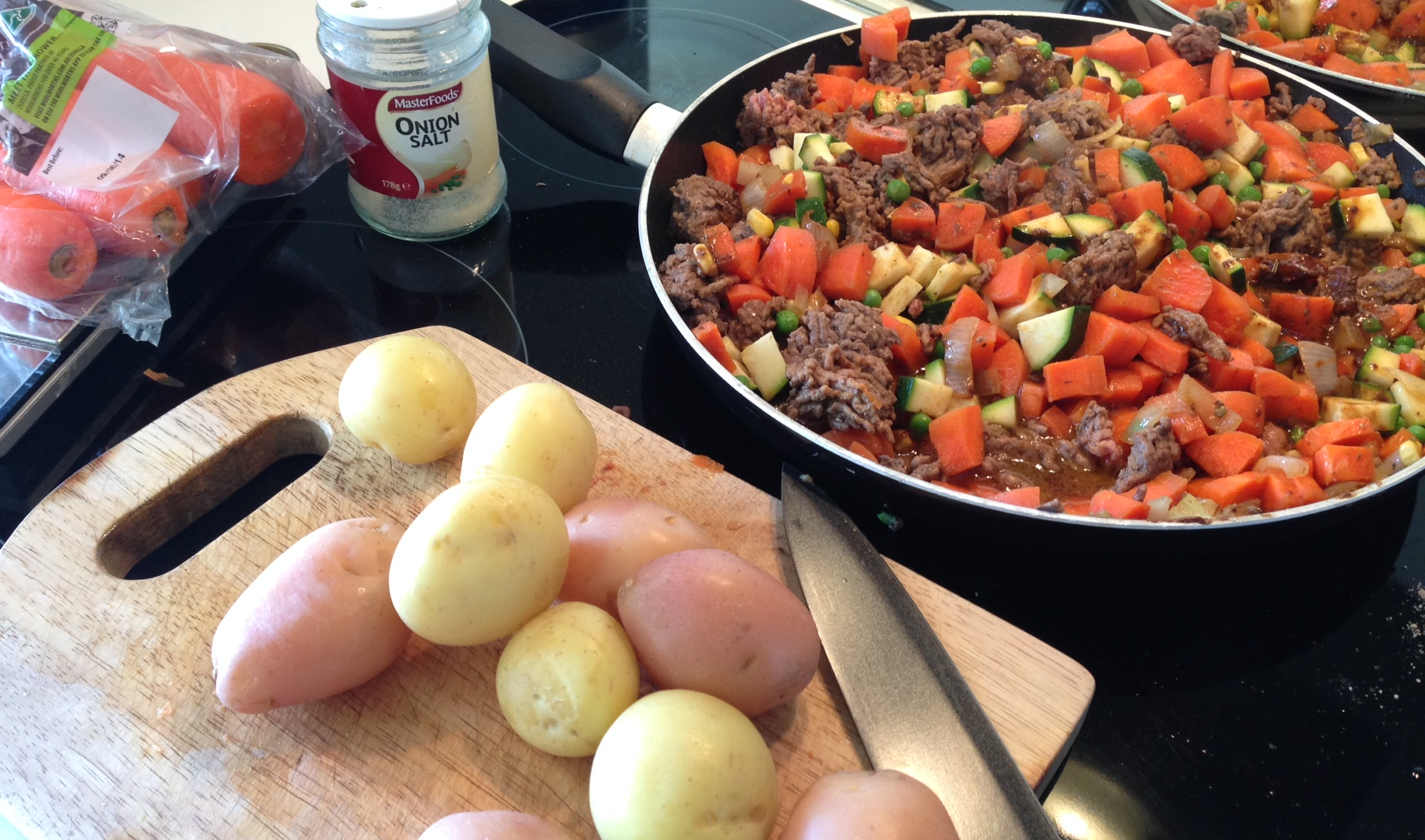
This recipe, is directed at those who claim to have never cooked and will never be able to cook. (Maybe due to a perceived lack of skill, or a dip in creativity coupled with food envy in its highest caliber – endlessly feeding one another and settling for subpar tastiness each time.)
More and more people want to know the secret to cooking food that fits their needs, tastebuds and does not require spending hours pouring over recipes and culinary wizardry. If you’re not identifying with the narrative above, you’re in the clear and have other things in life to focus on (as you should) – save your precious time and stop reading now. But… be honest, if you side with the following: “Can I have the recipe?” or “How do I cook this?” or “I need help finding meals”…and these are fuelled out of the inability to put the most basic meal together, this might be for you! I personally enjoy cooking and related activities. I like thinking of something that might work and putting it together. I do this without sacrificing the time I dedicate to the other areas of my life, which do require more energy and attention. Now, there is nothing inherently wrong with following recipes and dedicating time to levelling up in the kitchen, but a lot of folk are new to fending for themselves and are also at the mercy of the clock. Just like training, cooking is a journey, a long one. You may get away with trying to jump in the deep end every now and again but if you’re in the teething period, it’s important to find a sustainable approach that’s rewarding at the same time.
Tools for your sanity
I’ve adopted a streamlined approach to my cooking and the infamous ‘meal prep’ (the small amount that is needed). The result has left me mostly recipe free. Since donning the apron I can only recall a handful of ‘textbook’ recipes I’ve followed, which were all dessert renditions. This guide doesn’t refer to specialty items as such, but rather the run of the mill staples in your life. What I will lay out are a set of fairly simple approaches, some of which will actually seem like no brainers. However, do not underestimate their relevance to beginners and those who need some guidance. In addition to applying a logical and sensible approach to combining food groups, I will present the recipe for culinary freedom under the assumption you have a particular goal in mind, which includes how many macronutrients you need to reach such a goal.
The following are process I adhere to no matter what dietary phase I’m in:
Single Meal Planning : Controlled meals
First up is addressing indecisiveness when it comes to a main meal. Whether a reoccurring meal for the week or a spur of the moment dinner on any given night, applying these rules can help you get started:
Step 1. Inspect nutritional requirements
This is the basis of what you need within the meal to meet your goals. Simple. Lets say, as an arbitrary number, this turns out to be 1300 calories for dinner. Within this 1300 calories are 40g of fat, 60g of protein and 175g of carbs.
Step 2. What do I feel like?!
Reflect here on daily vibes, i.e. ‘I’m not hungry… or I’m starving!’. The answer to this should determine the main carb source. What I mean is something that makes you feel full usually, or not. This is seemingly the stage where people get held up, instead of simply thinking what they want and “playing” with the idea.
For simplicity’s sake, a meal can have 2 parts – Carbs and Protein. Thus, you should design your meal around these two variables (fat will be addressed later on). If you’re in a rush, keep it simple. Think along the lines of Rice/Pasta (Carb) and Meat (protein) or Potato / Vegetable (Carb) and Meat/Dairy (Protein) or even Cereal (Carb) and Dairy/Protein powder (Protein). The list goes on and on.
Step 3. Flavour Implementation (+ Treats!)
Unless you are used to eating bland meals all the time you’re going to need some sort of flavour. Here’s my move – I initially choose a base sauce, ‘sweetener’ or any flavour I want to work with. After calculating the macronutrients of this (flavour / sweetener / sauce) subtract these from your daily carb/fat source and work with those numbers instead. Fixed treats can also be placed here i.e. Chocolate bars or what have you. If you don’t have an abundance of room to really swing the type of macro investment in a calorie dense flavour, or if its not your style; then play around with spices and low calorie sauces (hot sauces are spot on).
Step 4. ‘Playing’ – Adjust for macros
Using your answer from Step 2, you can adjust the variables in accordance with your macros. Need more carbs? Use more ‘filler’ – potato, bread, rice, cereal, fruit etc. The hungrier you are, the higher you should prioritise vegetables and fruits. Need more protein? Simply add more meat, dairy or eggs. (We can see the ‘no brainers’, can’t we?)
So, what about fat?
Being so calorically dense (9cal/gram) fat levels are easily attainable. If there is too much fat in your meals, simply opt for leaner cuts of meat/low fat dairy. Or if you must, remove fattier portion of foods (think trimming meat or removing yolks). Conversely, if you’re on the low side of your fat intake for the day, choose those fattier cuts of meat or full-fat dairy. Or it’s very, very easy (and tasty!) to just cook your vegetables/meat in a fat source. I lean towards coconut oil, olive oil, duck fat and butter. But, these are simply personal preferences.
*Note also, the reverse applies to the first 2 macronutrients. If you have too many carbs in the meal, simply use less. e.g. reduce 150g of uncooked rice to 100g uncooked rice. You still get to eat the same meal effectively, just less of it. Of course, the same goes for protein, adjust for your macronutrient needs.
Example – Figures in calories  Putting it together as per the initial example of 1300 calories Could be selected like this (in order):
  200g Ben and Jerry’s Chocolate cookie dough. (Something I’m craving, so I put this in treat category.)
  Chang’s Hoisin Sauce – Flavour Base
  100g uncooked rice – Main Carb Component
  180g raw – Main Protein Component
  The above brings me to a total of 1100 calories. So there are more calories needed to hit the 1300. Looking at the ratios we are lacking mainly carbs and fat. Here I could add in more rice or preferably some vegetables for variety and satiety (think butternut squash, broccoli, onion, or whatever is in the fridge). I also need a little more fat, so I could cook the chicken in 10g coconut oil. This should round nicely to the initial numbers 1300c 175c 40f 60p or close enough.
Step 5. Cook and profit.
 Job done. There you have it, 5 simple steps to creating any meal for any occasion. Whether your day is meant to be high carb, low carb or protein heavy, following these steps will make choosing a meal that much easier. Also don’t limit yourself to the ingredients I’ve listed. Once you’re comfortable, think laterally as much as you can, since complete dietary freedom is just a little further down the road.
Prepared without planning : Uncontrolled meals
First of all, without delving into ‘optimal’ meal frequency; outside of consuming some protein in the time frame of a few hours before and after your workout, it doesn’t matter for most gym goers. Most days I get by with 2 – 4 meals. You might prefer more, less or around the same amount, its up to you. In terms of results, there are no pragmatic benefits for reading too much into it. So, keep the frequency of your meals as to whatever is easiest/most preferred. Personally, I’ve found each day will contribute many variables that can affect the number of or planning of meals.
Such variables can include:
• Early starts
• ‘Surprise’ social events (unplanned ‘bite to eat’ with friends)
• Odd meal timing or lunch breaks
• Lack of food choices
• Unpreparedness – Basically time constraints, but the list goes on.
You may have encountered how difficult it was, actually committing to a dietary plan. Worrying about not exactly sticking to said plan is unnecessary and should be avoided. There’s enough stress already in life and buggin’ out over what you have no control over won’t give you any better results. So if the dog eats your lunch or you’re forced to eat out etc – relax, I’ve got you covered.
Here’s the secret power – the ability to adjust on the fly!
It may be that you don’t have the time or opportunity to prepare your meals for the day. It also could be a situation where the first meal or two you consume are unplanned – due to having a somewhat normal social life. Whatever it is, we now know meal frequency is generally irrelevant so push that aside and lets focus on what we can do.
The trick during these ‘unplanned meals’, is to aim to eat an amount that is less than the caloric need of your day (you’ve already demonstrated self restraint by starting a goal, don’t let the event of eating out be an excuse to go HAM and eat everything in sight). You should still exercise an awareness to estimate what you’ve consumed, either by a simplified tracking approach or actually knowing the macronutrients in the meal (just not personally preparing it). From this point, after applying your estimation, you can ‘regulate’ on the go and ensure that you meet your macronutrient target for the day by manipulating your later meals via the 5 steps above.
In some cases your estimated ratio of macronutrients might be a little out or even hard to do. As long as you’re within your caloric tolerance, don’t stress. Use your final meal of the day as a protein dominant filler to get you up to the calories you need. Note, you may not need many/any carbs or fat for your final meal. Don’t fear though! Because there are heaps of quick protein treats that taste great and take next to no time to prepare.
**My example is concocting a low fat Greek yoghurt ‘junk bowl’ mixed with any combination of berries, casein, peanut butter, coconut oil, grains, cereals etc. This can always be flexible enough to get you back up to what you need nutritionally. Such an extravagant bowl of goodies is a great choice due to its effect on satiety and ease of preparation. It is great for days where you’ve run out of time, it’s late and you just need to hit the sack.
 The awareness of this approach works well because it gives you freedom to eat what you want in most situations and not freak out while doing so. Again, even with a great plan, dieting or working towards a goal is tough enough. Freaking out over missing one meal or eating out a few times will do you more of a mental disservice then a direct physical one.
Food choices
“Are food choices important for body composition?”
I wont go too far into this as there are many articles covering the subject and a long-winded opinion would go astray. In short; no. But, I will say this – when dieting and also potentially having the caloric expenditure of a mossy sloth, it is probably best to favour “whole foods”. By that I am implying things that make you feel full. If eating a bowl of sugary cereal somehow makes you satiated in a deficit, then by all means stick with it. It won’t effect your goal in any tangible way. Chances are though, you might need to include things like fibrous vegetables, fruits and meats in order to keep those hunger pangs at bay. The bonus is that these foods are also usually full of your essential vitamins and minerals. Alternatively, if you feel far too stuffed to get in what you need (you might be limited to how many times you can eat each day) then by all means, include those things that seem to disappear into the black hole that’s your stomach (for myself this is rice, bread, sugary treats and any food really with less ‘volume’). Preceding all the above are a few principles to have been considered already. You should assess your lifestyle/self and look for any nutrient deficiencies. Try and take care of these using foods first. Skip food choices that don’t agree with you (bloating, stomach issues, hormonal issues etc.)
Unlocking the wizard within…
Another common question I seem to get asked in terms of cooking is “How to”. Frequently, I’m told I’ve put together something that’s an unexpected but seemingly good combination. I also get many questions on how to make these meals or where I get the ideas. Things like a simple sweet potato dessert , a crazy oatmeal mastery , or even a rice and curry variation.
Questions range from “What goes first? For how long? With what?”
Even if I had the time, writing down what I do (which changes every time) would be absolute hell and without a doubt lead to many disappointed cooks. The fear of experimentation has lead many people to miss out on many a pleasing meal and its combinations.
Develop a basic idea of the simplest of culinary manoeuvres – standards like how to cook meat, how to boil rice and how to turn an oven on with vegetables in it. This can take a little time to dial in but believe me, if you’ve read this far I promise you’ll have the capacity to become a kitchen wizard.
Now, when you get comfortable with this – you can begin to develop the confidence that enables you to mix interesting ingredients, vortex together crazy combinations, and most of all cook while having fun. Strive to demystify the kitchen, so you can find meals you enjoy cooking without having to worry about precise cooking times and amounts.
Don’t be afraid to stray from norm’s that you’ve grown up with; don’t limit ingredients to savoury only or sweet only etc. Some of the best thing’s I’ve eaten have just been a random idea thrown together. There are 365 days in a year and usually more than one meal a day, don’t fear experimentation – If it doesn’t work out as planned, you’ve always got tomorrow.
In the toolbag
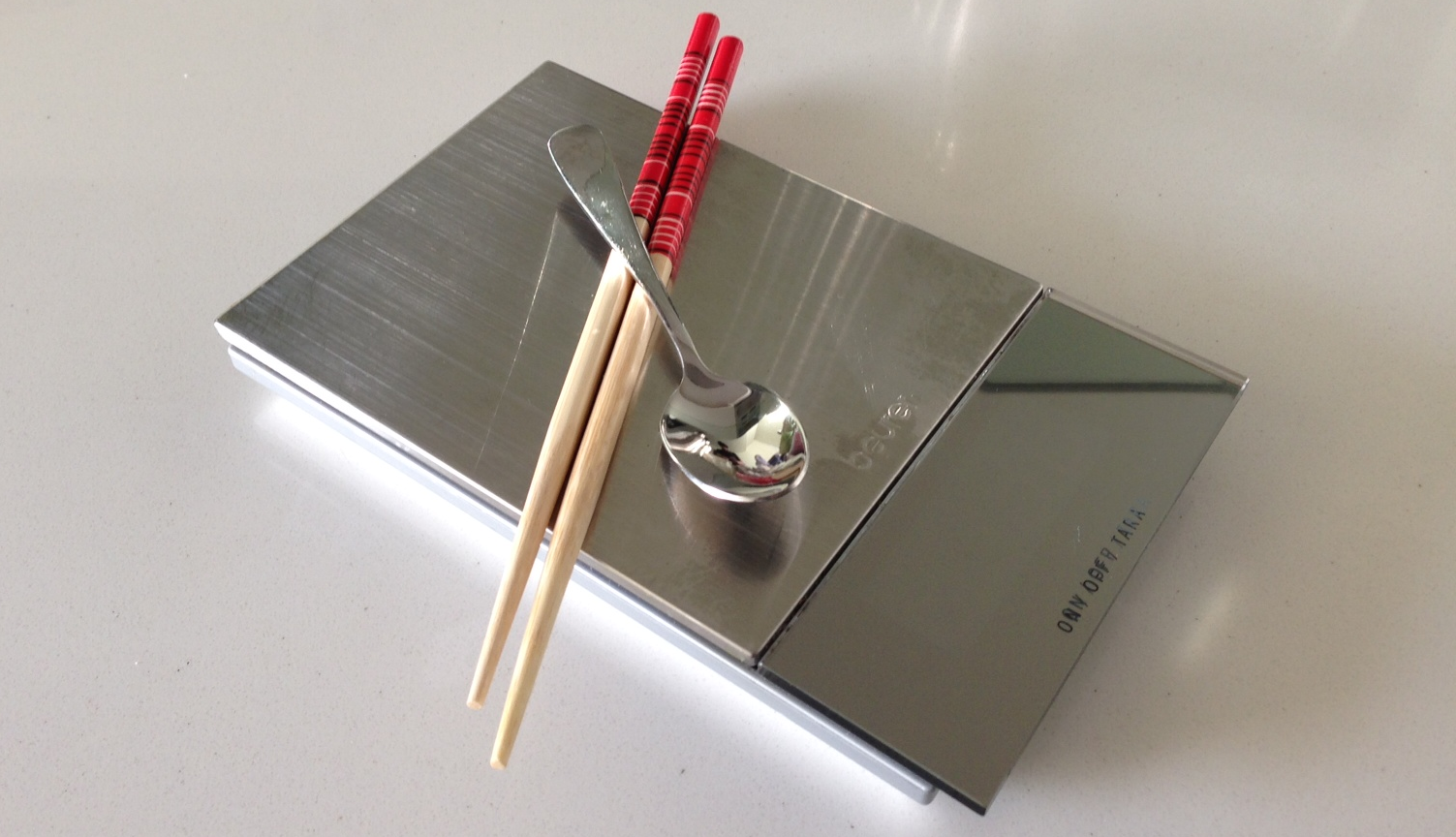
Whether you’re specific or rough with your macro calculation methods, there are a few tools I like to utilise to make ‘Nutrition Specific Kitchen Wizardry’ (NSKW) a little easier. Again, these might seem like basics – but from the questions I get asked on a regular basis, they can’t be overlooked.
Kitchen Scale – Quite obvious, but probably the most important kitchen utensil on the bench. Uses include weighing meat, vegetables, grains, and sauces. It’s even useful when wanting to beat last weeks ‘weight on plate’ record. Other than the standard use of taring (zeroing the scale) and adding foods, you can also negatively weigh things (great for sauces / liquids / jarred items).
The way to negatively weigh, is to open the jar / container of whatever goodness you want to consume (then place on the scale) and tare that badboy to zero. From here you scoop out the product inside making the scale go into the negative (most scales seem to deficit for up to a few hundred grams) – this negative amount is obviously the amount of product you have removed. This is handy when accuracy is needed for high caloric goods. It also enables you to lick the spoon from scooping things like ice cream or shovelling peanut butter without underestimating what you’ve taken!
Without a doubt this is a prime piece of gear for everyone.
**I recommend everyone meticulously weigh every piece of food for a minimum of 1 – 2 weeks early on in his or her dieting journey. This not only gives people a rough idea on generally what weighs what, but also dispels the nasty tendencies people seem to have of under estimating their food intake. Also, guess what? Once you go through and develop an awareness of food intake, your kitchen scale is going to still be in the kitchen. So, even if you only ‘roughly’ count your macros, you’ll still have it on hand for maximising the amount of meat on your plate and any other dubious products that may need weighing.
*** Another common question people seemingly lose their minds over is “Do you weigh cooked ingredients, raw ingredients, fibrous veggies or what?!” My answer is: First of all chill out, it’s not that big a deal. Secondly, just choose a certain way and stick to it. As long as you’re tracking your progress regularly, you’ll be alright.
Checking yo self…
Weighing your food won’t do any good unless you have an idea on what the macronutrient information is. Luckily, through the awesome power of the internet, having unlimited access to food databases makes the demystification of foods as simple as “Scan” and repeat. There are a whole host of food tracking applications / websites out there.
Some of which include:
Satiety: In the hand of the consumer
As stated, food choices can play a huge role in terms of feeling full during and after a meal. There are general recommendations (i.e. opting for ‘whole foods’) but, you will gradually gather a personal list of rules as you delve deeper into your dietary journey. Outside of personal preferences and the pathway of macronutrient induced satiety, the way you actually consume your food plays a part in helping you feel fuller for longer.
It’s real talk that drinking calories is probably one of the least satiating methods of consuming them. However, aside from refraining to drinking your calories; people seem to push for solid food, even ‘low GI ingredients’ and then leave it at that. But we can actually manipulate maximisation of satiety even further…
Since chewing is the only way we can actually consume the textured goodness of solid food, changing the way we chew is the best bet we have for potentially altering satiety without really touching food choices. That might seem daunting, as eating is such a pleasurable experience…the last thing you want to do is consciously change the way you eat every time. What I’ve found is simply to swap out your utensils for either chopsticks or smaller spoons, if and when the situation permits. This automatically slows down the consumption of tastiness which;
1. Leads you to believe you’ve eaten more by extending consumption time.
2. Through the avenue of delayed consumption, your brain has a chance to process the volume you’re eating and begin to release those ‘I’m getting full signals’ which in turn can stop you from going back for more.
Try different methods / utensils and see what’s good for you.
So that’s about it for now. If your skills are already engaged in the kitchen you could probably have skipped over this article in its entirety. Though even if you’re on the right track, confirmation or even an insight into an alternative process does help.
As with anything in this game, there’s a million ways to go about it. Getting a cohesive idea of what you eat and how much of it eventually leads to developing a whole host of your own ideas and rough calculations. Ultimately, you’ll reach a point where NSKW is another mastered technique and you have the flexibility to smash your goals without being a slave to exact numbers.
❤
 SelfRaised


This article is amazing, i love your no nonsense approach to the kitchen and i feel some crazy meals will be cooked in the next few days.
Awesome! Thanks for this!
Great article. I love the idea of switching out your utensils to increase consumption time, reckon I’ll play around with eating my oatmeal with chop sticks.
Great to see you put up a blog, your IG account is gangster as fuck.
Cheers mate,
Nick
Discovered you on Instagram, read your writing here, and now I’m a fan for life. If you ever decide to sell anything I would buy in a heartbeat.
Your blog is a gold nugget.
Found it by your Insta, looking “leangains” or “if” results.
Just thank you!
This was an amazing article. Very well written. Information that everyone should be aware of! Cheers man
Pingback: A Recipe for Culinary Freedom | jch254
Interesting article, thank you for sharing. When I do lots of cardio (hiking, biking, running etc.) I find that my appetite goes up way more than I would burn during the activity and continues the next day leaving me ravenous. How do you handle this? Also, how many meals do you eat during the day to cope with this?
Thanks Ash!
Personally I have gave an intuitive grasp on how much I need to eat… This is LISS and hiking etc.
When I bicycle though, I base my calories to be added into my diet off the data my power meter has collected.
If that day – I eat the amount of calories ‘burnt’ I rarely seem to be hungry the next day. But without fail if I undereat, I’ll usually be starving the day after.
Thanks for the quick reply. During cutting periods I am worried about an ‘intuitive grasp’, as I am already pretty hungry from the daily deficit. During a weight-loss period, I find it important to be relatively consistent with calories and activity to better track and understand weight flucuations, which is why I have tended to avoid cardio and being active. What is your view on this and how do you overcome that issue?
Two more questions, please if you dont mind (maybe this relates more your carbs and cardio blog post): 1. How do you distribute your meals across the day to fuel both workouts and LISS+biking? For satiety reasons, I like to have one big meal at night, but that may be detrimental if I do some cardio during the day, or what is your experience? 2. Do you keep cardio and weight training on separate days or do you just make sure to eat enough such that one doesn’t interfere with the other.
Thanks in advance!